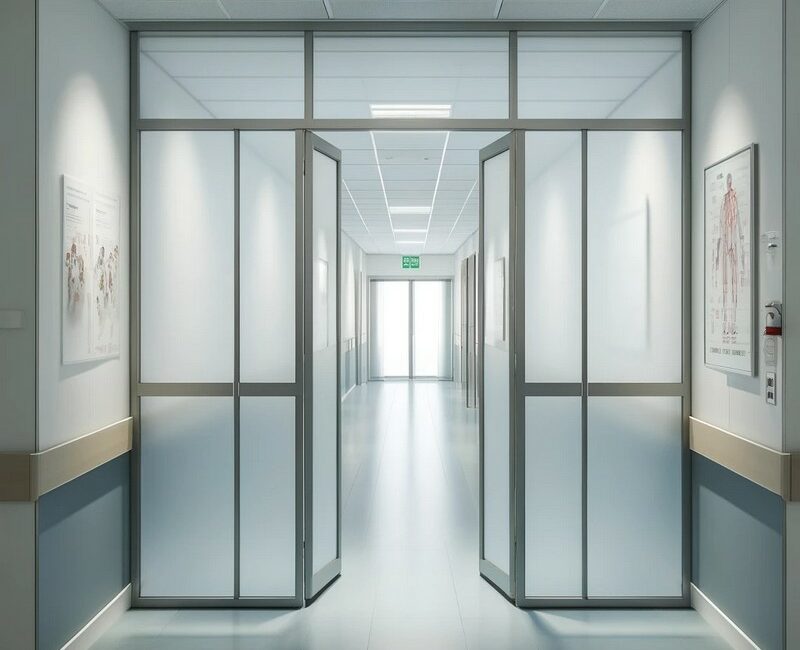
Renovations in senior living communities come with a different set of expectations than most other projects. Residents are not simply passing through the building for a few hours. They live there. Staff work there every day. Families visit. Meals, activities, and care routines still need to happen on schedule. That...
Category: Uncategorized
Common Mistakes When Setting Up Temporary Anterooms
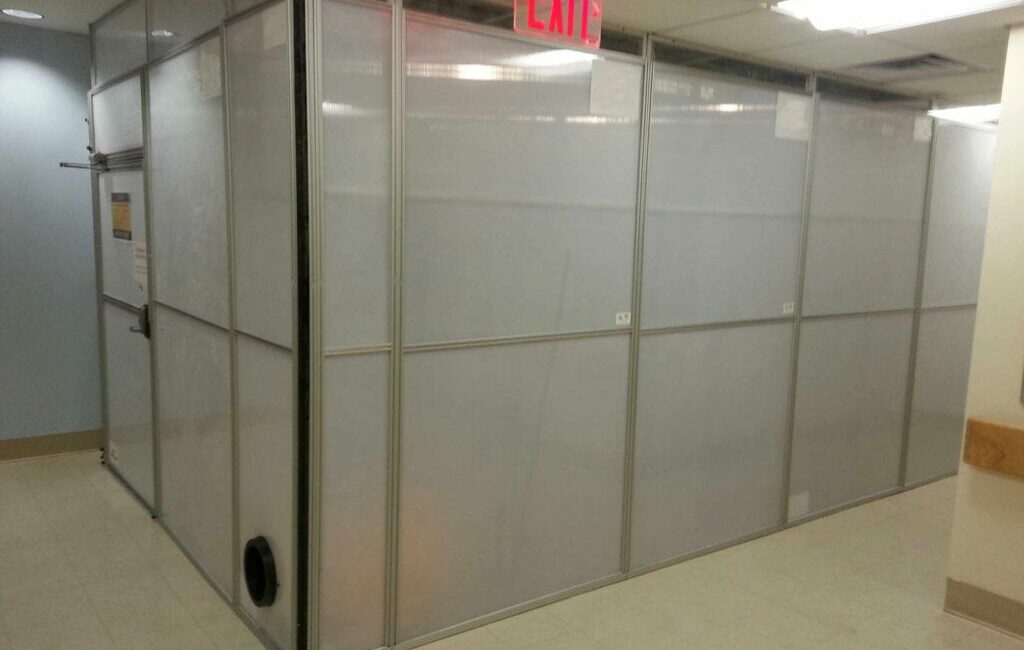
Hospital construction and renovation projects take place in active environments where dust, airflow, traffic, and infection control all matter. That is why Edge Guard temporary anterooms are used so often in healthcare settings. They create a controlled transition space between the work zone and the rest of the facility. But...
Temporary Construction Walls for School Renovations
School renovations are often planned for summer break, and for good reason. Fewer students and staff in the building make it easier to complete flooring, painting, ceiling work, classroom upgrades, HVAC improvements, and other projects before the next school year starts. But even when the campus is quieter, dust containment...
Do You Need an Anteroom or Just Temporary Walls?
When a facility needs to separate people from dust, debris, airflow changes, or restricted work zones, the first question is often simple: do we need temporary walls, or do we need an anteroom too? The answer depends on what the space is trying to accomplish. In some cases, a solid...
Typical and One-Off Uses for Temporary Anterooms
A temporary anteroom is often described as a buffer space between two environments, but its role can vary widely depending on the situation. By creating a controlled transition area, anterooms help manage airflow, restrict access, support safety protocols, and contain disruption. Some facilities rely on them routinely, while others deploy...