
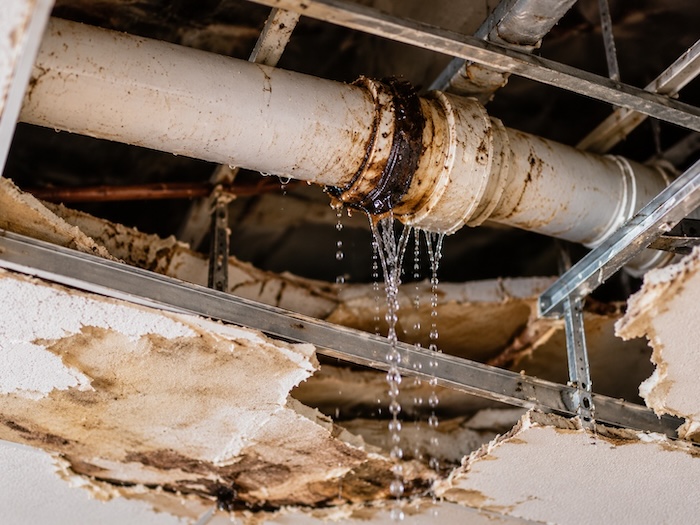
Nobody schedules a burst pipe, damaged ceiling, failed HVAC component, or electrical problem.
When something suddenly goes wrong inside an occupied building, the repair may need to start immediately. That can create a very different challenge from a planned renovation. There may be employees, customers, residents, patients, students, or visitors still using the surrounding space while contractors are trying to diagnose and fix the problem.
Edge Guard temporary wall systems can help create a defined work area quickly, allowing repairs to move forward without turning the entire building into a construction zone.
Unexpected Repairs Can Become Disruptive Fast
Even a relatively small repair can affect more than the immediate area.
Opening a ceiling may release accumulated dust. Repairing plumbing can require access through walls or flooring. HVAC work may involve equipment, ladders, tools, and repeated trips through occupied areas.
Common unexpected repairs can include:
- Water leaks or damaged plumbing
- Ceiling or drywall damage
- HVAC failures
- Electrical repairs
- Flooring damage
- Broken pipes
- Equipment replacement
- Emergency access behind walls or above ceilings
Once walls, ceilings, or other building materials are opened, the work area may need more separation than anyone originally expected.
The First Challenge Is Creating a Work Zone
With a planned construction project, containment is usually part of the schedule.
An unexpected repair is different. Facility managers may suddenly need to determine where contractors can work, how people will move around the area, and how the rest of the building can continue operating safely and comfortably.
The National Institute for Occupational Safety and Health recommends isolating construction and renovation work from occupied areas with physical barriers when appropriate. Its guidance on maintaining indoor environmental quality during construction and renovation also addresses dust control, traffic routes, ventilation, and keeping construction activity separated from building occupants.
A temporary wall can establish that separation without waiting for a permanent partition to be built.
Keeping the Repair From Taking Over the Building
The goal is not necessarily to hide the fact that repairs are happening. It is to keep the repair contained to the area where the work actually needs to occur.
A solid temporary wall can help:
- Define the work zone
- Separate contractors from normal building traffic
- Limit access to tools and equipment
- Help contain dust and debris
- Keep the damaged area out of direct public view
- Provide a more professional appearance while repairs are underway
Doors can also be incorporated into the temporary wall system so workers have a controlled entry point into the repair area.
That can be especially important when the affected space is near a hallway, lobby, office, retail area, waiting room, or other location that remains occupied.
Temporary Makes Sense When the Problem Is Temporary
Unexpected repairs do not always justify permanent construction.
A repair might last several days, several weeks, or longer if parts need to be ordered or additional damage is discovered. Building a traditional temporary drywall wall can add another construction step to a problem that already needs attention.
Reusable modular panels offer another option.
They can be installed to create the needed separation and then removed when the repair is complete. If the work area changes, the panels can also be reconfigured rather than demolished and rebuilt.
Be Ready for the Repair Nobody Planned
Facility managers cannot predict every leak, mechanical failure, damaged ceiling, or broken pipe.
What they can do is have a plan for separating unexpected work from the people who still need to use the building.
Edge Guard temporary wall systems provide a flexible way to create a professional work zone when repairs cannot wait. Instead of allowing one unexpected problem to disrupt an entire facility, temporary containment can help keep the repair where it belongs.
